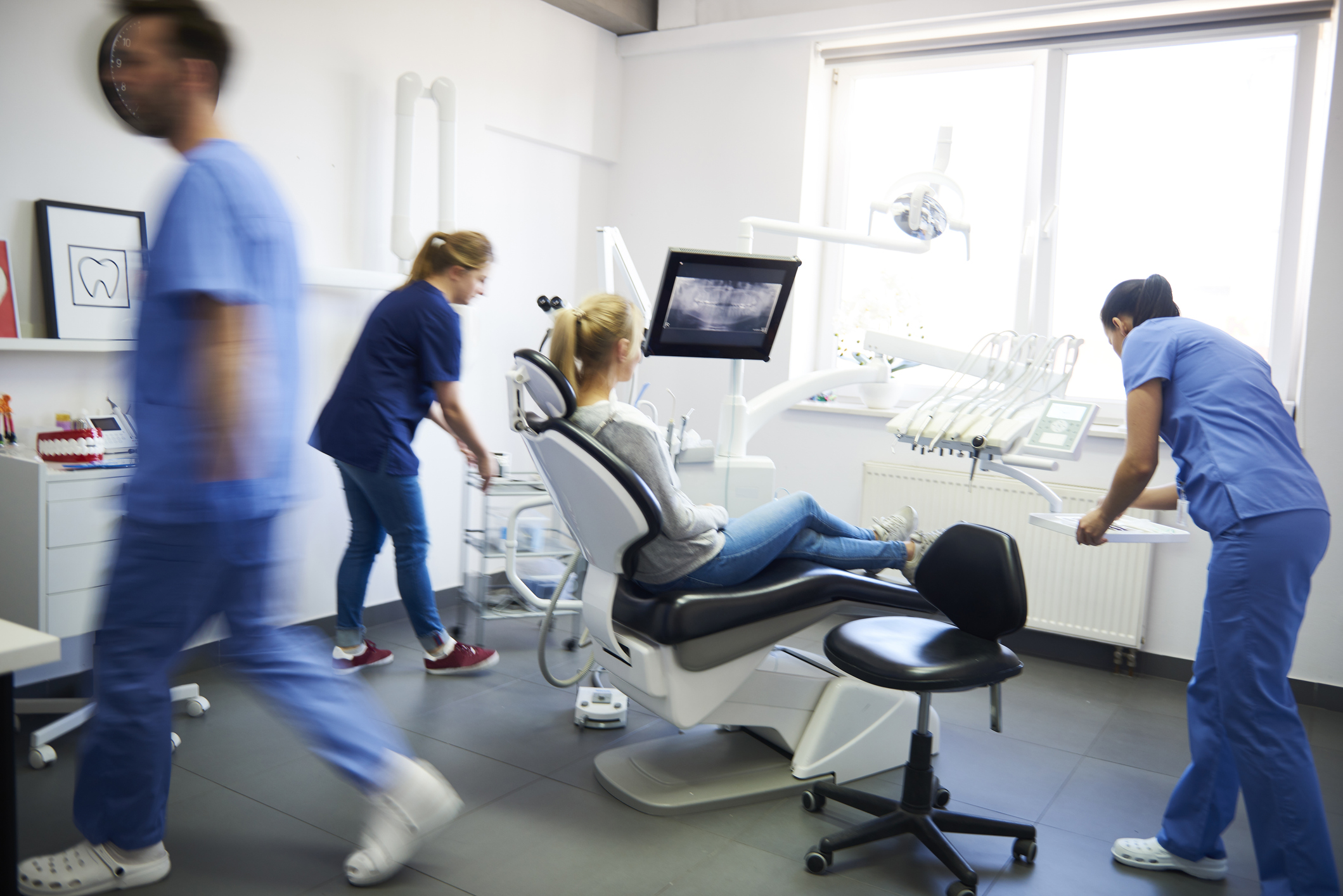
Top Qualities to Look for in a Dentist in San Francisco, CA

Top Qualities to Look for in a Dentist in San Francisco, CA

Choosing a dentist is a crucial decision that involves more than just a quick search for a dentist in San Francisco, CA. Your oral health is an integral part of your overall well-being, and your dentist is your partner in maintaining it. But what qualities make a dentist stand out? Understanding these can help you make an informed choice about the kind of dental care you deserve.

The Importance of Communication

A good dentist should prioritize communication. This involves listening to your concerns, explaining procedures clearly, and answering questions patiently. You should feel comfortable discussing your dental history and any fears or anxieties you have. An open line of communication between you and your dentist is essential for ensuring the best outcomes. When your dentist communicates effectively, they help reduce any apprehension you may feel about dental visits.

Being an active listener is crucial for a dentist. They should not only ask the right questions but also pay close attention to your responses. This ensures they get a comprehensive understanding of any symptoms or issues you might be facing. Being able to articulate your needs is essential, but having a dentist who provides clear, digestible feedback and explanations is equally important. This transparent communication builds trust, which is foundational to a long-term patient-dentist relationship.

Compassion and Patience

Dental visits can be daunting for many, making a dentist’s compassionate nature vital. A comforting presence can ease the naturally stressful experience of dental check-ups or more extensive procedures. A dentist who shows genuine concern for their patients’ comfort and fears demonstrates this compassion. Patience, closely related to compassion, ensures that a dentist invests the time necessary to explain procedures thoroughly and work at the patient’s pace, particularly during complex treatments.

When a dentist is patient, they also accommodate the learning curve that patients might have about oral health. They provide guidance on preventive care and cater to the unique needs of patients of all ages, from young children to the elderly. A comforting chairside manner helps in building a rapport that enhances trust and ensures visits to the dentist are as pleasant as possible.

Advanced Skills and Technologies

The dental field is ever-evolving, with new technologies and techniques improving efficacy and comfort. A dentist committed to professional development and staying abreast of the latest advancements in dental technology is invaluable. This dedication ensures you receive the most effective treatment available today, whether you’re looking for tooth implants near you or routine cleanings.

Dental technologies such as digital X-rays, laser dentistry, and same-day crowns enhance diagnostic accuracy and treatment outcomes. A dentist proficient in these technologies can deliver precise treatments with reduced discomfort and downtime, which is particularly beneficial for patients undergoing extensive dental work. Checking that your chosen dentist has access to and understanding of modern tools can significantly influence your dental care experience.

A Commitment to Continuous Education

Any dentist who understands the significance of continuous education ensures they are updated on emerging dental practices and research. This learning often translates into improved treatment plans and the adoption of innovative techniques that benefit patients. Dentists should partake in workshops, seminars, and courses regularly to stay current. Their willingness to learn underscores a dedication to providing the best care possible.

By embracing continuous education, dentists can offer cutting-edge solutions and appreciate the nuances of contemporary challenges in oral health. This skill becomes apparent in the breadth of treatments a dentist can offer and their ability to customize care to suit individual patient needs.

Attention to Detail

Attention to detail is a hallmark of an excellent dentist. Dental procedures require precision, from diagnosing issues to crafting crowns or completing aesthetic enhancements. A meticulous dentist ensures every treatment is done to the highest standard, whether it’s as simple as filling a cavity or as complex as performing a root canal procedure. Every detail matters in dental care, affecting both immediate results and long-term oral health.

Precision dentistry doesn’t just refer to technical skills; it extends to observing and responding to patient reactions during a procedure. An attentive dentist can gauge your comfort levels and adjust accordingly, ensuring that the process is as smooth and pain-free as possible. Their keen eye can spot even subtle signs of complications and prevent potential issues from escalating, making regular check-ups effective preventive care measures.

Strong Problem-Solving Skills

Given the complexities involved in dental treatments, a dentist must be an adept problem solver. They should be capable of diagnosing problems effectively and creating strategic, evidence-based treatment plans. This includes assessing a patient’s needs comprehensively and devising the most effective course of action for optimal oral health outcomes.

In emergencies, such as sudden toothaches or jaw injuries, your dentist’s ability to think quickly and provide emergency dental services is vital. Their decision-making skills can alleviate pain, restore normal function, and prevent complications. Dentists, through rigorous training and experience, refine their problem-solving skills to expertly navigate emergencies as well as plan for long-term care.

Reputation and Reviews

In today’s digital age, a dentist’s reputation often precedes them. Online reviews, testimonials, and word-of-mouth recommendations provide insights into a dentist’s skills, demeanor, and overall patient satisfaction. A respected dentist often has a track record of positive feedback from patients who can vouch for their care quality and customer service.

It’s worth exploring a dentist’s standing in the dental community as well. Engagement with professional organizations and recognition from peers can signal a dentist’s dedication to their field and ethics. Moreover, a well-regarded practice with a host of satisfied patients can indicate reliability and consistency in delivering top-notch dental care.

Professional Network and Referrals

A notable dentist benefits from a robust professional network. Collaborations and referrals within this network are key for comprehensive care, especially for specialized treatments beyond the general scope of dental practices. This network might involve specialists in orthodontics, periodontics, or endodontics who can provide targeted care on the recommendation of your primary dentist.

Referrals not only expand the range of treatment options available but also instill confidence in the care plan devised by your dentist. Knowing that your dentist can liaise with renowned specialists ensures continuity of care and underscores their commitment to your overall oral health. A well-connected dentist brings together expertise and a patient-centered approach for a seamless healthcare experience.

Finding a dentist in a bustling city like San Francisco involves weighing multiple factors, from communication skills to their technological prowess and professional network. When selecting your dental caregiver, prioritizing these qualities can lead to a rewarding and enduring partnership. Your smile deserves nothing less than the best care!

Tips on How to Make Dentures Fit Better for Everyday Comfort

Tips on How to Make Dentures Fit Better for Everyday Comfort

For those who rely on dentures, achieving a comfortable fit can significantly influence daily comfort and oral health. Ill-fitting dentures can lead to discomfort, eating challenges, and can even affect one’s confidence. Luckily, there are several strategies and tips to ensure that your dentures fit as comfortably and securely as possible. In this article, we’ll delve deeply into these tips to help you maintain a bright smile and proficient bite.

Why a Good Fit Matters

Comfort is only part of the equation when it comes to well-fitting dentures. Poorly fitted dentures can lead to sore spots in the mouth, making it painful to chew or speak. Over time, this discomfort can contribute to more serious oral health issues, including bone loss or gum disease. An appropriate fit not only supports the health of the mouth but also ensures stable speech and a more natural appearance.

Additionally, dentures that fit well prevent slippage, which can cause embarrassment and discomfort in social settings. Addressing ill-fitting dentures promptly is crucial to avoid these problems and maintain a healthy, confident smile.

Tackling Initial Discomfort

It is normal to experience some level of discomfort when you first start wearing dentures. Your mouth and muscles require time to adapt. However, if the discomfort continues, or if the fit seems overly tight or loose, adjustments may be needed.

Initial discomfort can often be mitigated through practice and familiarity. Regularly using your dentures and practicing with soft foods can help. Over time, your gums will adapt to the dentures, though it’s important to follow up with your dental professional if discomfort persists.

Exploring the Causes of Loose Dentures

One common issue with dentures is looseness. This can be due to various factors, including natural bone resorption, which occurs after tooth loss. As the bone changes shape and size, dentures may become loose, requiring a refit.

Another contributing factor could be improper original measurements during denture creation. Ensuring that you have accurate and precise molds when creating dentures is key in preventing initial fit issues. Regular dental visits are essential for assessing and adjusting the fit as needed over time.

Enhancing Fit with Adhesives

Denture adhesive can assist in creating a more secure fit. These adhesives act as a temporary solution by creating a bond between your gums and dentures. Products like powders, creams, and pads provide different degrees of hold, allowing you to find an option that feels most secure and comfortable.

While adhesives can be highly effective, they should not replace professional adjustments if your dentures are extremely loose. Over-relying on adhesive can mask an underlying issue that could be resolved through dental adjustment.

Professional Repairs and Refitting

If your dentures simply do not fit well, despite efforts to improve comfort through other means, visiting a dentist for professional adjustments is necessary. Dentists can reline or remake dentures for a better fit. This might involve taking new impressions or adjusting the existing dentures to better fit the contours of your gums.

Having regular check-ups ensures that any necessary adjustments are made promptly, which can prevent long-term damage to your gums and oral health.

When to Consider Alternatives

Sometimes dentures just don’t offer the comfort and security a patient desires. In such cases, exploring options for missing teeth, such as dental implants, might be beneficial. Dental implants provide a more permanent and stable solution than traditional dentures, often leading to improved comfort and functionality.

Implants act as artificial tooth roots, anchoring replacement teeth securely in the mouth, thus reducing chances of slippage or discomfort. This option, although more invasive, tends to offer a solution closer to the feel and function of natural teeth.

Caring for Your Dentures

Proper maintenance of dentures extends beyond ensuring fit. Regular cleaning and maintenance are essential to prevent stains and bacteria buildup. Use a soft-bristle toothbrush and a non-abrasive denture cleanser to clean your dentures daily.

Soaking dentures overnight in a proper cleanser solution is recommended as it keeps them from drying out, which could affect their fit and comfort. Following the manufacturer’s care instructions and attending regular dental check-ups will help maintain the optimal condition of your dentures.

Exploring Other Options for Better Fit

If traditional dentures continue to pose issues, newer dental technologies might offer alternative solutions. Innovations like flexible dentures, which are crafted from materials that adapt better to the shape of your mouth, or partial dentures with natural-looking tooth crowns might be beneficial.

Each of these alternatives offers unique benefits. Flexible dentures can improve comfort by reducing the chances of creating pressure points. Partial dentures, especially when combined with crowns, can provide a more aesthetically pleasing appearance.

Conclusion: Achieving Denture Comfort

Finding the right fit for your dentures is crucial, but it often involves a combination of correct initial fitting, appropriate maintenance, and the use of various products or adjustments as needed. Exploring all available get more info into alternatives like implants or advanced denture options can lead to better satisfaction and overall oral health.

Ultimately, trusting and communicating with your dental professional remains the best route to ensuring that your dentures fit well, look great, and feel comfortable every day. With the right guidance and proactive care, you can enjoy the full benefits of your dentures with confidence.

A Comprehensive Guide to the Dental Implants Process and Timeline

Hey there, and welcome to New Smile Transformations! Dental implants might be the perfect solution for you if you wish for a complete and confident smile. Dental implants act like natural teeth, allowing you to eat, speak, and smile without worry.
In this complete guide, we’ll walk you through everything you need about the dental implant process and timeline, so you can better understand what to expect along your journey to a brand-new smile.

What You Need to Know About Dental Implant Process

Initial Consultation

The first step in your dental implant journey is the initial consultation. We’ll take some x-rays, maybe a CT scan, and chat about your medical history at this appointment. We need to know if you have any underlying medical conditions that could impact the success of your dental implants. If everything checks out, we’ll work with you to create a tailored treatment plan that meets your unique needs. You might also meet with specialists during this stage, such as oral surgeons or periodontists, to ensure you receive the best care possible.

Dental Extractions

Now, if you need a tooth removed before your dental implant can be placed, this is when we’ll take care of that. The complexity of dental extractions varies, and the recovery time and costs depend on factors like whether the tooth is impacted, broken, or damaged. We’ll discuss this during your consultation, so you’ll know exactly what to expect.

Bone Grafting

Sometimes, bone grafting might be necessary before your dental implant surgery. This is when we take bone from another part of your body (or use synthetic bone) and graft it into your jawbone. This thickens the jawbone, so it can adequately support your dental implant. The bone graft healing process can take anywhere from 4 to 12 months, but don’t worry: we’ll be with you every step of the way, with follow-up appointments to make sure everything’s healing just right.

Dental Implant Surgery Step by Step

The big day has finally arrived: your dental implant surgery! We’ll make sure you’re comfortable with a sedative before we get started. During the surgery, we’ll carefully cut into your gums, drill a small hole into your jawbone, and insert a titanium implant that acts like the root of your new tooth. Titanium is super strong and lightweight; best of all, it’s rarely ever rejected by the body. The procedure usually takes just a couple of hours, and you might have some sutures to heal up afterward (which we’ll remove in a week or two). After your surgery, you’ll begin a process called osseointegration.

Osseointegration

Osseointegration is a critical part of the dental implant process. It’s when your body fuses the titanium implant into your jawbone, making it a permanent part of your body. This can take three to seven months, depending on your healing. Just a heads up: if you’re a smoker, you’ll want to quit before osseointegration begins, as smoking can cause the whole process to fail.

Placing the Abutment

After your gums have healed, we’ll place an abutment, which is the piece that connects your dental implant to your new artificial tooth (or teeth). The abutment can sometimes be placed during the initial surgery, but it’s done separately at other times. Your custom-made crown should be ready two weeks after your abutment is placed!

Placement of the Artificial Teeth

This is the final and most exciting step in your dental implant journey: placing your new tooth (or teeth)! After everything’s healed and osseointegration is complete, we’ll create impressions of your mouth to create the perfect, natural-looking artificial tooth. You’ll get a temporary crown to wear while we create your permanent crown, which usually takes about six weeks.
Then, you’ll come back in, and we’ll secure your new tooth (or teeth) in place by cementing it or screwing it onto the post. If you’ve chosen removable dentures, we’ll give you those to snap onto your abutments, and you can take them off for cleaning and maintenance.

Summary of the Dental Implant Procedure Steps

So, to sum up, your dental implant journey:
1. Consultation and treatment plan development
2. Possible dental extractions and bone grafts
3. Dental implant surgery
4. Osseointegration
5. Abutment placement
6. Artificial tooth or teeth placement
The timeline for each step can vary based on individual circumstances, but we’ll guide you through every step with compassion and expert care.
At New Smile Transformations, we aim to help Mississippi residents achieve their dream smiles through safe and effective dental implant treatments. If you’d like to learn more about dental implants and what they can do for you, please visit our website NewSmileTransformations.com or call us. We can’t wait to help you transform your smile and your life!